

What Are Jung’s Eight Cognitive Functions? A Complete Guide (Ni, Ne, Si, Se, Ti, Te, Fi, Fe)
When most people first come across Jung’s eight functions, symbols like Ni, Ne, and Ti look like a secret code. When I first started learning this framework, I went through the same journey, from “memorizing the concepts” to “understanding the functions.” This article won’t ask you to memorize a single thing—by the end, you’ll have a rough sense of how you and the people around you process information and make decisions.
What Are Jung’s Eight Functions?
The concept comes from Psychological Types, published in 1921 by the Swiss psychologist Carl Jung. Jung proposed that you can understand a person’s mental activity through two dimensions: the “flow of psychic energy” (an introverted or extraverted attitude) and “cognitive functions,” which he divided into four: Thinking, Feeling, Sensation, and Intuition. The later MBTI cognitive-function framework further combined each of these four psychological functions with an introverted or extraverted attitude, giving us the eight cognitive functions we talk about today: Ni, Ne, Si, Se, Ti, Te, Fi, Fe. Later, mother and daughter Katharine Cook Briggs and Isabel Briggs Myers developed MBTI on the basis of Jung’s theory. The concept of “psychological functions” in this article comes mainly from Psychological Types; the MBTI framework builds on top of it.
Simply put, Jung’s eight functions are two systems, matching the two steps we take when dealing with the world.
The first is called perceiving functions, which include Ni, Ne, Si, and Se. They’re the “receiver” through which you get to know the world—what kind of information are you in the habit of noticing? The details right in front of you, or the patterns underneath? Fresh possibilities, or past experience? That’s what your perceiving functions decide.
The second is called judging functions, which include Ti, Te, Fi, and Fe. They’re the “processor” you use to make sense of information—when you make decisions, do you lean on logic or on feelings? Do you prioritize your own views or other people’s needs? That’s what your judging functions handle.
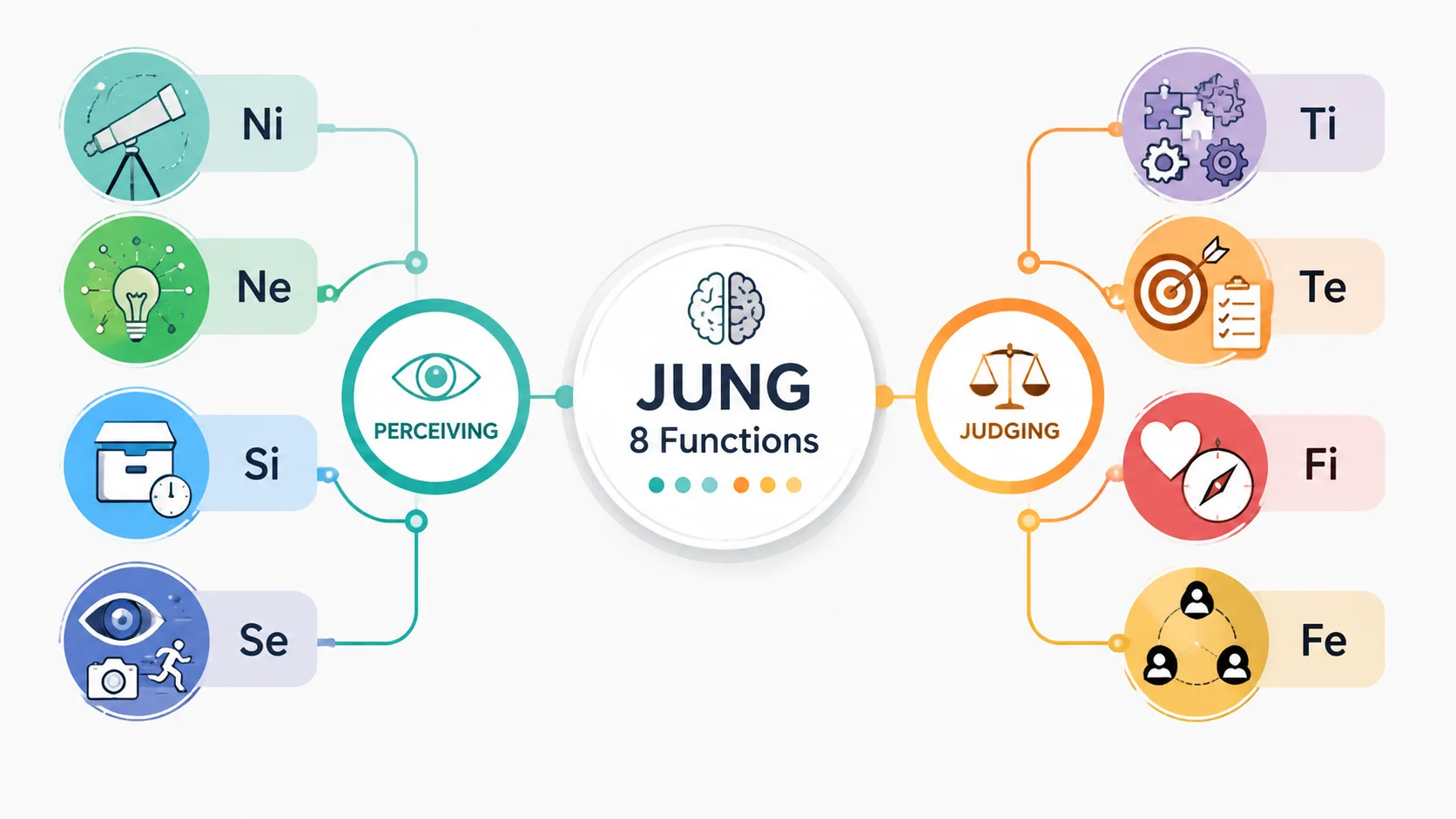 Figure 1: Relationship diagram of Jung’s eight functions
What’s the Difference Between the Eight Functions and the MBTI Four-Letter Code?
The four MBTI letters (for example, INFP, ENTJ) are just external labels for a combination of the eight functions. I’ve met INFJs whose Ni preference wasn’t as strong as some ENFPs’, and ISTPs whose Se shows up more prominently than many ESFPs’. Two people with the same MBTI type can be entirely different personalities because their functions develop in different orders and to different degrees—which is also why so many people feel “MBTI isn’t accurate”: when you only look at four letters, of course you can’t see the whole person.
The Eight Functions in Detail
Perceiving Functions: How Do You Take in Information?
1. Ni (Introverted Intuition)
In plain terms: Ni is often described as integrating abstract information and searching for underlying patterns and long-term trends. It tends to grasp the essential pattern directly from fragmentary information—often “conclusion first, logic filled in later”—and it’s usually good at anticipating where things are heading.
A typical scenario: A strategy consultant is discussing industry trends. While everyone else is still double-checking this year’s revenue figures, they’ve already concluded: “This sector will probably shrink next year—three warning signs have already appeared.” Ask them how they know, and they’ll often say, “It’s just a feeling. I can back up the logic later, but that’s my first reaction.”
In daily life:
- Everyday: They can guess the ending halfway through a movie but can’t quite explain how they knew;
- At work: They can anticipate risks before a plan is even drawn up, and colleagues often say they “think ahead”;
- Learning: They don’t like studying new things step by step; they grab the core framework first and fill in the details later.
Watch out: They’re great at anticipating, but trusting intuition too much can make them overlook the concrete problems in front of them—they may end up thinking a lot and doing little.
2. Ne (Extraverted Intuition)
In plain terms: Their head is always full of new ideas that won’t stop coming. They’re great at connecting seemingly unrelated things, stay curious about anything new, and are the “idea person” of their friend group.
A typical scenario: A content strategist in a discussion might jump from a product’s packaging design to AI marketing, user experience, business models, and a dozen other directions, firing off idea after idea in no time. But ask them to see one project through from kickoff to delivery, and they might get bored two days in.
In daily life:
- Everyday: They change topics mid-conversation at lightning speed—one second they’re talking about dinner, the next they’re on to colonizing Mars;
- At work: Creative work is their natural habitat, but repetitive execution work quickly wears on their patience;
- Learning: Their interests are all over the place and they want to learn everything, but they struggle to go deep in a single field.
Watch out: Having plenty of ideas is an asset, but they tend to have short-lived enthusiasm—many ideas, little follow-through.
3. Si (Introverted Sensation)
In plain terms: They remember past experiences and details vividly, rely on tried-and-true methods to solve problems, and get things done steadily and reliably.
A typical scenario: Think of an Si-leaning family elder. Their belongings always live in the same fixed spot, and when they cook their signature dish, every step and every gram is measured precisely; before a trip, they write out the full itinerary and a packing checklist, down to how many bags they’ll need.
In daily life:
- Everyday: They order the same dishes they’ve already enjoyed at a restaurant and rarely try something new;
- At work: Their error rate on process-driven work is nearly zero; handing them a task is a huge relief;
- Learning: They love taking notes and memorizing key points, and their grades stay steady with a step-by-step review plan.
Watch out: Reliable as they are, relying too heavily on experience can make them resistant to change, and they can get flustered when faced with a brand-new problem.
4. Se (Extraverted Sensation)
In plain terms: They’re highly attuned to the sensory details of the present moment. They live in the “here and now,” love fresh, direct experiences, and are the “experience-seeker” of the group.
A typical scenario: On a hike, Se-leaning people are usually the first to notice whether the flowers along the trail are blooming, catch the scent of osmanthus on the breeze, or spot the nice latte art in a café. When the trip wraps up, they’ll drag everyone to try a newly opened spot—“since we’re already here, we have to experience it”—enjoying every moment of it.
In daily life:
- Everyday: They have high standards for the texture and feel of what they eat and wear, and love activities that bring direct sensory stimulation, like checking out new cafés and restaurants, traveling, and sports;
- At work: They shine in jobs that require quick reactions—sales, crisis PR—and respond fastest when something unexpected comes up;
- Learning: They pick up hands-on skills fast, like running experiments or learning to cook, but pure theory puts them to sleep.
Watch out: Living in the moment is a strength, but chasing instant pleasure too hard can leave them without long-term planning.
Judging Functions: How Do You Make Decisions?
1. Te (Extraverted Thinking)
In plain terms: When they make decisions, what matters first is “Can we solve the problem? Is it efficient? Can we hit the goal?” They think in terms of logic and rules and are strongly goal-oriented.
A typical scenario: A project is behind schedule and everyone is pointing fingers. The Te-leaning person is usually the first to step up: “Okay, let’s not argue. Three questions. First, what’s the core blocker? Second, who owns each blocker? Third, what’s the latest date we can finish?” They can untangle the whole mess in ten minutes—but after the meeting, a colleague might still mutter that they’re “too cold and don’t care about people’s feelings.”
In daily life:
- Everyday: They plan trips down to the minute and hate it when the plan gets disrupted;
- At work: They’re efficient at leading teams through projects and can find the optimal path through a pile of chaos, but they can come across as unfeeling;
- Learning: They build strict study plans for exams, execute relentlessly, and won’t stop until they hit their target.
Watch out: Efficient as they are, being too results-driven can make them overlook people’s feelings, and their close relationships can turn into friction.
2. Ti (Introverted Thinking)
In plain terms: When they make decisions, what matters first is “Does the logic hold? Does it fit the underlying principle? Does it form a self-consistent system?” They excel at breaking problems down and finding the root logic.
A typical scenario: A backend engineer gets a new requirement and doesn’t start building right away—they ask questions first: “What’s the underlying logic of this requirement? Why is it designed this way? Is there a better implementation path?” If the logic doesn’t hold, they’d rather not take it: “A requirement that doesn’t make sense is a waste of time even if I build it.”
In daily life:
- Everyday: They love getting to the bottom of things—when their phone breaks, they look up the principles and take it apart to fix it themselves rather than just bringing it to a shop;
- At work: They’re highly accurate at technical work and can crack complex problems no one else can, but they can be “all business, no small talk”;
- Learning: Science and math come easily to them; they’d rather derive a formula themselves than memorize it by rote.
Watch out: Strong logic is an asset, but obsessing over whether logic is airtight can turn into splitting hairs, and they can leave people backed into a corner in conversation.
3. Fe (Extraverted Feeling)
In plain terms: When they make decisions, what matters first is “Will this affect others? Can everyone accept it? Is the atmosphere okay?” They’re naturally attuned to other people’s emotions and are the “glue” that keeps a team together.
A typical scenario: An HR professional handling layoffs will learn about each employee’s family situation and job-search progress before the conversation; during the talk, they soothe the person’s emotions first, then fight for the best compensation package possible. Many employees end up thanking them: “If it hadn’t been for you, I would definitely have made a scene with the company.”
In daily life:
- Everyday: At dinner with friends, they always ask what everyone else wants to eat first, rarely state their own needs, and worry about being a burden;
- At work: Roles that involve people—HR, operations, customer service—fit them well, and they can quickly defuse conflict within a team;
- Learning: They learn more effectively in study groups, and they improve quickly when someone encourages them.
Watch out: They’re considerate, but caring too much about others’ feelings can turn them into a people-pleaser—sacrificing their own needs to please everyone else, until they’re completely drained.
4. Fi (Introverted Feeling)
In plain terms: When they make decisions, what matters first is “Does this fit my values? Do I like it? Am I comfortable with it?” They hold a firm inner standard and are deeply empathetic.
A typical scenario: A freelance illustrator has a rule: if a client asks her to turn the work into something she can’t stand behind, she’ll refuse no matter how much they pay. She often says, “What I make has to be something I’m proud of. If I mess it up just for money, I can’t even look at it myself.” She also keeps her social circle small—chatting with people who aren’t on her wavelength feels like it drains her.
In daily life:
- Everyday: When buying things, “do I like it?” comes first; other people’s opinions are only for reference;
- At work: Work they love ignites tremendous drive; work they don’t love makes every day feel like a year;
- Learning: They go extremely deep in fields they’re interested in, but can’t get into subjects they don’t care about no matter what.
Watch out: Having principles is an asset, but caring too much about their own feelings can make them seem rigid, and things that clash with their values can trigger strong emotions.
Four Pairs of Easily Confused Functions, Compared at a Glance
It’s easy to mix up functions on the same axis. Here are the four pairs people confuse most often—after reading this, you won’t mix them up again:
| Comparison | Ni (Introverted Intuition) | Ne (Extraverted Intuition) |
|---|---|---|
| Source of information | Insight into inner patterns | Connections between external things |
| Focus | One core essence | Many possibilities |
| Typical behavior | Forecasting future trends | Coming up with new ideas |
| Catchphrase | “The essence of this is…” | “I just thought of an idea…” |
| Comparison | Si (Introverted Sensation) | Se (Extraverted Sensation) |
|---|---|---|
| Source of information | Past experience and memory | Present sensory experience |
| Focus | Familiar certainty | Fresh experience |
| Typical behavior | Following experience without mistakes | Seeking fun through new experiences |
| Catchphrase | “This is how we’ve always done it…” | “This looks fun, let’s try it!” |
| Comparison | Te (Extraverted Thinking) | Ti (Introverted Thinking) |
|---|---|---|
| Standard of judgment | External rules, achieving goals | Inner logic, self-consistent system |
| Focus | Whether the problem can be solved | Whether the logic holds |
| Typical behavior | Moving fast to a plan and executing | Breaking problems down to the root logic |
| Catchphrase | “Let’s set a goal first…” | “The logic here is…” |
| Comparison | Fe (Extraverted Feeling) | Fi (Introverted Feeling) |
|---|---|---|
| Standard of judgment | Others’ feelings, group atmosphere | Personal values, inner feelings |
| Focus | Whether everyone is happy | Whether I can accept it |
| Typical behavior | Looking after everyone’s emotions | Standing by their own principles |
| Catchphrase | “What do you think?” | “I think this should be…” |
Four Questions to Learn Your Cognitive Preference (Informal Test)
The questions below can only help you observe your tendencies—they’re no substitute for a full personality assessment. You don’t need to take a hundred-question test; just answer the four questions below, pick the option closest to your everyday state, and you’ll have a rough idea of which dominant function you lean toward:
Perceiving questions (pick the situation you find most often)
- You’re planning a get-together with friends. What’s your first instinct?
- A. Figure out the core purpose of the gathering first, anticipate possible awkward silences and route problems in advance, and set the big picture early → Ni
- B. A flood of ideas comes to mind: should we try that new campsite? Should we add a murder-mystery game? Should we invite our mutual friends? The ideas keep multiplying → Ne
- C. Recall how past successful get-togethers went, book the restaurant everyone loved before, and pick a time that works for everyone → Si
- D. Look up what fun new spots and events are around right now, prioritize things you’ve never tried, and go with whatever feels happiest → Se
- When you learn a new skill, what’s your usual approach?
- A. First understand the core logic and underlying framework of the skill; once you get it, gradually fill in the details → Ni
- B. See what new ways this skill could combine with things you already know, and play with it while learning → Ne
- C. Follow a solid tutorial step by step, practicing the basics until they’re second nature before moving on → Si
- D. Jump straight in and try it; look things up as problems come up along the way—hands-on is fastest → Se
Judging questions (pick the situation you find most often)
- Someone on your team makes a mistake and slows down the project. What’s your first reaction?
- A. Sort out the blockers, assign solutions, set deadlines, and get the project back on track as fast as possible → Te
- B. Break down why the mistake happened, figure out whether it’s a process problem or a people problem, and only then fix it once the logic is clear → Ti
- C. Reassure the person who made the mistake first, then work with everyone to solve the problem without hurting team morale → Fe
- D. Judge whether the mistake violates your principles first; if it’s an attitude problem that crosses your line, you get genuinely angry; if it’s an honest mistake, you let it go → Fi
- A friend vents to you about work troubles. What’s your first reaction?
- A. Help them figure out where the problem is, offer actionable solutions, and tell them the fastest way to fix it → Te
- B. Walk them through the full cause and effect, point out what they did right and what went wrong, and what the logically sound way to handle it would be → Ti
- C. Comfort them first, tell them everyone’s job is hard, and it’ll get better → Fe
- D. Fully empathize with how they feel, get outraged on their behalf, and vent right along with them—sometimes more passionately than they do → Fi
When you’re done, the function behind the option you picked most often is roughly your preferred dominant function; if your perceiving and judging answers come out even, it means you balance the two dimensions fairly evenly.
Common Misconceptions
Misconception 1: Some of the eight functions are “better,” and a higher score means a stronger person. Not at all. Functions are characteristics, not merits. A Te-leaning person is efficient at managing, but when they bring too much logic into family life, they can come across as cold; a Fi-leaning person is deeply empathetic, but caring too much about their own feelings can also make them thin-skinned. There are no bad functions—only functions used in the wrong context.
Misconception 2: Does a low score mean I should change myself? No. Test scores reflect the strength of a preference, not a skill gap. A Fe-leaning person doesn’t need to force themselves to become a Te-leaning person, just as a left-handed person doesn’t need to force themselves to use their right hand. What really matters is understanding your preference and putting it in an environment where it can shine.
What Does This Have to Do With Career Choices?
Different dominant functions tend to match different ways of working and different environments. This doesn’t mean a particular function can only do a particular kind of job; it means that when the way you work matches your preference, you’re more likely to enter a flow state and play to your strengths.
Note that this is a discussion of personality preference and working style—not a vocational aptitude test. Real career decisions are also shaped by skills, experience, interests, educational background, and many other factors.
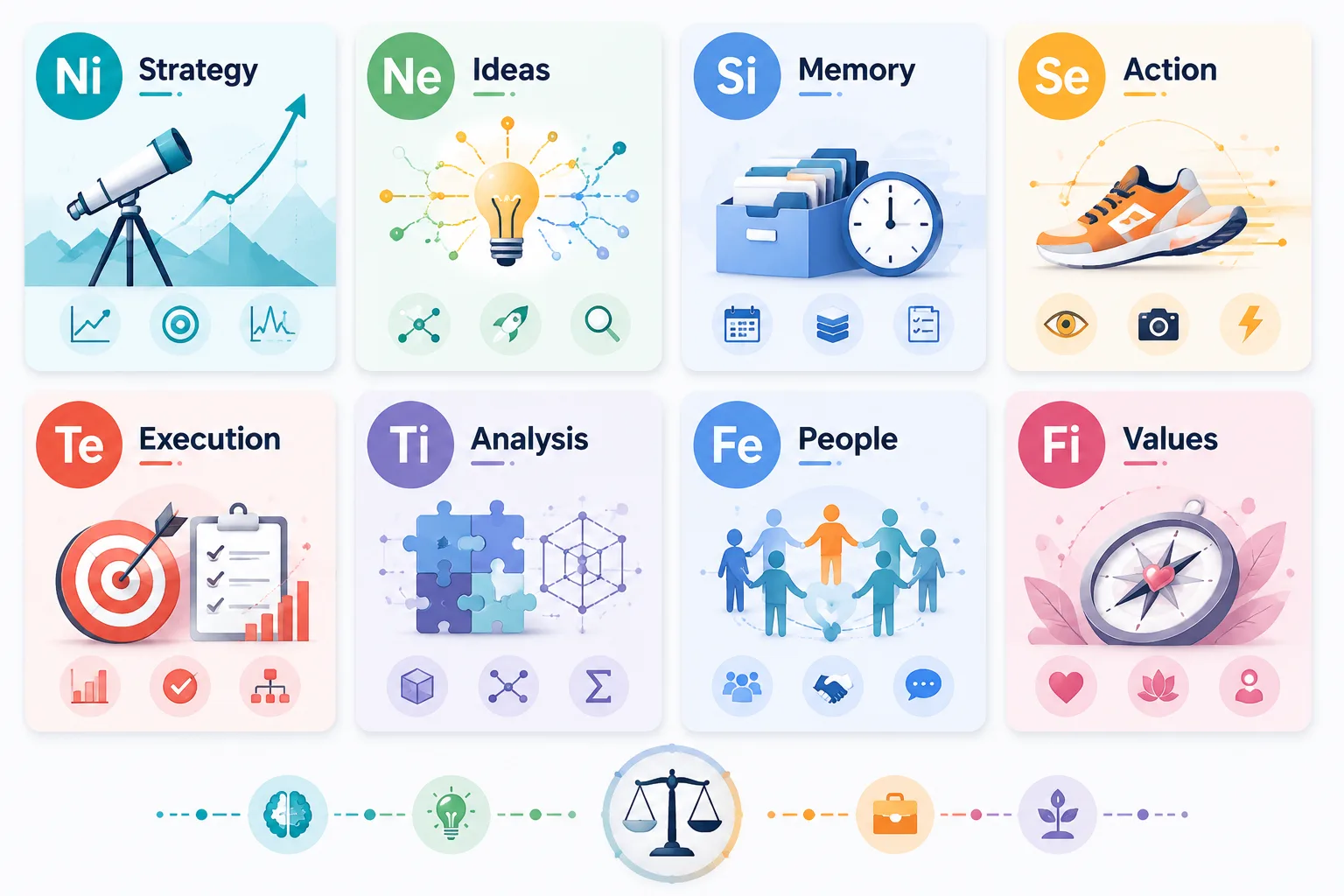 Figure 3: Application scenarios of the eight functions
- Prefer Ni: suited to work that requires foresight and orchestration—strategy, consulting, product planning—good at distilling trends from information;
- Prefer Ne: suited to creative and exploratory work—content planning, creative design, marketing—good at connecting unrelated things;
- Prefer Si: suited to roles that rely on process and experience—operations, finance, administration—steady, with a low error rate on details;
- Prefer Se: suited to work that demands quick reactions and hands-on practice—sales, crisis PR, sports, crafts—fastest on their feet in the moment;
- Prefer Te: suited to management and execution-oriented work—project management, operations management—strong goal orientation and good at driving results;
- Prefer Ti: suited to analytical and research work—R&D, data, engineering—good at breaking down complex problems;
- Prefer Fe: suited to people-facing work—HR, customer service, education, coordination—naturally attuned to group atmosphere;
- Prefer Fi: suited to work that needs a sense of meaning and creativity—content creation, design, nonprofit—true to their inner standards.
What Are the Limitations of Jung’s Eight Functions?
It’s worth saying clearly: MBTI and Jung’s eight functions are tools for understanding personality, not psychological diagnoses in the strict sense. They describe preferences, not abilities, and they can’t predict whether someone will succeed or fail.
- The eight functions lack rigorous empirical validation, and different test platforms can give different results;
- Test results are influenced by your mood, experience, and frame of mind at the moment, so the type you get may not be stable;
- Human behavior is complex, and any classification loses a lot of individual detail.
So it may be more helpful to treat it as a mirror for understanding yourself rather than a label to stick on yourself.
Frequently Asked Questions
What’s the difference between Jung’s eight functions and MBTI?
The four MBTI letters (e.g., INTJ, ENFP) are just external labels for a combination of the eight functions; Jung’s eight functions are the underlying structure behind MBTI. Looking only at four letters doesn’t give you the full picture—two people with the same MBTI type can behave very differently because their functions develop in different orders.
Do the eight functions have a ranking of better or worse?
No. The eight functions are simply different ways of describing preference; no function is “better” or “worse.” A stronger preference for one function just means you’re more used to using it—not that you’re more capable.
Are Jung’s eight functions tests reliable?
The eight functions are a tool for understanding personality, not a strict psychological diagnosis. Test results are affected by your current mood and frame of mind, so it’s best to treat them as a reference for self-observation rather than a verdict on yourself.
Why don’t my MBTI type and eight-function results match?
The four MBTI letters are external labels for a combination of the eight functions, but different test platforms may interpret the function order for the same type differently. In addition, people with the same MBTI type can differ because their functions are developed to different degrees—so some inconsistency is perfectly normal.
A Few Final Words From the Heart
I understand the confusion many people feel when they get their test results: “My Te is low—does that mean I can’t be a manager?” “My Fi is too strong—does that mean I’m too emotional?” It really doesn’t need to be that way.
Jung’s eight functions were never meant to be a ruler for labeling people or ranking them into grades. It’s just a tool to help you understand yourself better: if you prefer Ni, go do the strategy work that requires foresight—you don’t have to force yourself into emergency work that demands on-the-spot reactions; if you prefer Fi, go do the creative content work—you don’t have to force yourself into a sales job that demands constant schmoozing.
There’s no perfect combination of functions, and no perfect personality. Understanding your strengths, putting them in the right contexts, accepting your weaknesses, and not fighting your own nature—that’s what studying MBTI and Jung’s eight functions is really about.
If you don’t yet know your MBTI type, you can start with our MBTI personality test. The results are interpreted across the four dimensions and the eight functions, helping you understand how you process information and make decisions.
If you already know your type, you can keep reading:
- Jung’s Eight Functions: A First-Principles Reading of the Cognitive Functions — the advanced companion to this article, deriving the eight-function structure from the flow of psychic energy
- Best Careers for INTJ
- Best Careers for INFJ
About the Author
Guan Xu, a long-time student of MBTI and personality psychology, focuses on Jung’s theory of psychological types, MBTI cognitive functions, and how personality applies to career choices and interpersonal relationships.
The content on this site draws mainly on Jung’s Psychological Types, MBTI research materials, and practical experience building personality test products.
Author: Guan Xu
Updated: August 2026
References
- Jung, Psychological Types (1921)—the original source of the concept of “psychological functions”
- Wikipedia - Myers–Briggs Type Indicator
- Wikipedia - Psychological Types